
YOUTH EDUCATION: A PILLAR FOR ENSURING SOCIETAL PEACE
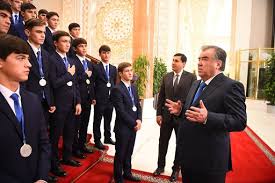
The education of the younger generation, particularly the youth is a critical issue for both the Tajik people and the modern world. The advancement of all social, economic, political, and cultural spheres globally is closely tied to addressing this matter effectively. A constructive environment fosters the development of a well-rounded individual, while a detrimental environment makes it difficult to nurture creativity in young people.
The Founder of Peace and National Unity - Leader of the Nation, the President of the Republic of Tajikistan Honorable Emomali Rahmon identified the education of children, adolescents, and youth in the spirit of traditional and human values as a critical task for both the state and society, now and in the future. He emphasized demographic issues and family regulation as key factors in fostering a healthy society. Effective approaches and methods for addressing these matters were outlined in the Government of the Republic of Tajikistan's Resolution №94, dated March 3, 2006, within the framework of the "National Concept of Education in the Republic of Tajikistan".
The education of adolescents and young individuals constitutes a fundamental responsibility of both society and its institutions. To uphold public law and order at a satisfactory level, it is essential to strengthen the engagement of parents with the educational institutions their children attend. This initiative not only contributes to the reduction of crime rates among teenagers and young adults but also fosters compliance with the Law of the Republic of Tajikistan regarding "Responsibility for the Education and Upbringing of Children." In this context, the statements of the Founder of Peace and National Unity - Leader of the Nation, the President of the Republic of Tajikistan, Honorable Emomali Rahmon serve a pivotal role: "Today, as we gather under the banner of our Motherland and independent state, our youth must first and foremost grasp the significance of the values of independence, self-awareness, national pride, and unity of the nation".
The Founder of Peace and National Unity - Leader of the Nation, the President of the Republic of Tajikistan Honorable Emomali Rahmon emphasizes the necessity for young people to thoroughly understand the lessons of independence. He urges them to be cognizant of the current political developments within the country, to continually study the historical narrative of their people—both past and present and to draw inspiration from their homeland, nation, and language, thereby fostering pride in their cultural heritage.
The President underscores the critical role and status of youth in the endeavor to establish and reinforce a civilized and cultured state while safeguarding national independence. It is this state independence that has facilitated the adoption of various measures aimed at fostering the development of youth's worldview and creative thinking, which serve as the driving force of society. Key initiatives include the Law of the Republic of Tajikistan "On Youth and State Policy of Youth", the "National Concept of State Policy of Youth", and the "Strategy for State Youth Policy until 2020" among others.
The constructive and harmonious environment established at Avicenna Tajik State Medical University significantly contributes to the development of self-awareness, which is a logical manifestation of the enlightened policy of the Founder of Peace and National Unity, the Leader of the Nation, the President of the Republic of Tajikistan, Honorable Emomali Rahmon. This environment is regarded as a fundamental factor in achieving advancements in education and science within this institution, fostering the training of cultured specialists in the field of medicine for the country.
The Administration of Avicenna Tajik State Medical University is committed to fostering a high sense of self-awareness, patriotism, and pride in national statehood among young people. It increasingly engages students in scientific research and vocational training while promoting a healthy lifestyle. To prevent youth from joining biased and extremist groups, the Administration regularly organizes beneficial meetings with representatives of relevant authorities and law enforcement agencies. These discussions and meetings play a significant role in the political education of young people.
The spiritual and moral education of students constitutes a fundamental aspect of the educational process. Consequently, robust collaboration among the school, family, and society is critical to fostering the spiritual and moral development of children. This necessity is reflected in the functioning of the "Parents" Council at the Avicenna Tajik State Medical University. The regular meetings and outreach activities conducted by this council with parents significantly contribute to the advancement and positive outcomes of educational endeavors.
Education is a continuous and iterative process that requires collective engagement and does not allow for interruptions. Any delay can impede the effectiveness of the educational system. Contemporary events further underscore that inadequate education and training for children, coupled with a failure to cultivate their critical thinking and worldview, can lead to adverse consequences.
Zaripov A. R. – Head of the department of orthopedic stomatology
Taibov S. A. – Assistant in the department of orthopedic stomatology
translated by Ismoilov R.