


THERAPEUTIC PROPERTIES AND HEALTH BENEFITS OF FIGS (FICUS CARICA)
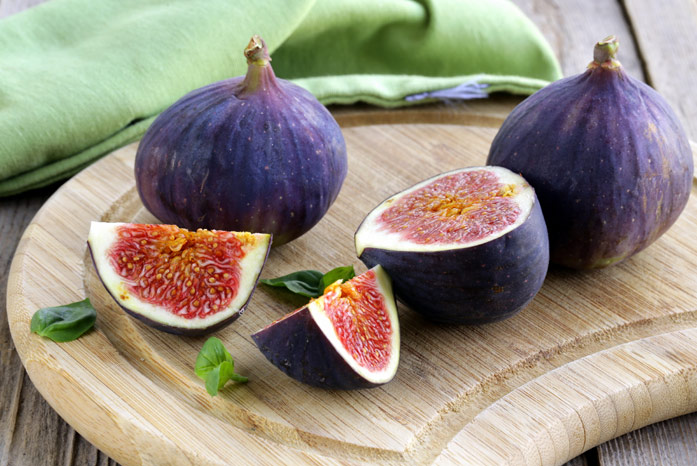
The fig tree (Ficus carica L.) is one of the oldest cultivated plants, with a history spanning over 5,000 years. It is known by various names, including the fig, Adam's tree, and wine berry.
The domestication of the fig tree is believed to have originated in the mountainous regions of Caria, located in Asia Minor. From there, it gradually spread across Central Asia, North Africa, and other subtropical regions. Notably, bas-reliefs depicting fig harvesting, dating back to approximately 2,500 BCE, have been discovered in Egyptian tombs, highlighting its historical significance.
Currently, the Mediterranean region dominates global fig production, accounting for nearly 80% of the total yield. Additionally, figs are cultivated on an industrial scale in countries such as China, Japan, India, Afghanistan, South Africa, Australia, as well as in regions of both North and South America.
Figs are primarily consumed fresh due to their high flavor qualities and ease of digestion. The fruit can also be preserved through freezing or drying. Fresh figs contain up to 20% sugars, composed of approximately 90% monosaccharides and 10% sucrose, alongside 30-36% dry matter. Additionally, they provide 1-2% proteins, which include 17 amino acids, 8 of which are essential. The pectin content in figs reaches up to 2%.
The organic acid content is relatively low, ranging from 0.2-0.6%, with predominance of malic, citric, pyruvic, tartaric, and other organic acids. Figs rank among the leading fruits in terms of mineral content, which accounts for up to 3%. They are a rich source of both macro- and microelements, including sodium, potassium, calcium, magnesium, phosphorus, iron, copper, sulfur, and others.
Figs also contain significant amounts of vitamins, such as rutin (60-80 mg%), vitamin PP (0.5 mg%), vitamin B1 (80-100 mg%), vitamin B2 (82 mg%), carotenoids, tocopherols, as well as pantothenic and folic acids. However, the vitamin C content is notably low, at approximately 5 mg%.
Furthermore, figs contain furocoumarins in their unripe (green) state and anthocyanin glycosides in mature fruits, which contribute to their biochemical properties.
The Therapeutic Properties of Fig Fruits and Their Medicinal Applications
The fig fruit exhibits notable expectorant and emollient properties. A nutritious and expectorant formulation consists of equal parts of dried grapes, figs, ziziphus, and dates. While the caloric content of this mixture is exceptionally high, it is particularly beneficial for individuals recovering from debilitating and prolonged illnesses, as the body requires substantial energy during such periods.
In Central Asia, fig fruits are traditionally boiled with milk and administered for the treatment of coughs, whooping cough, and as a softening remedy for chest pain, sore throat, and common colds.
In modern medicine, preparations derived from dried fruits, such as prunes and figs, are widely utilized to enhance intestinal peristalsis in elderly individuals suffering from constipation. One such pharmaceutical product is the complex laxative drug “Kafiol”, which is produced in the form of dark brown briquettes with a distinct fruity aroma and taste. The composition of this drug includes fig and plum fruit pulp, leaves and fruits of senna (Cassia acuminata), and vaseline oil. Kafiol exerts a laxative effect and is administered orally for the treatment of constipation, particularly persistent cases. The recommended dosage is 1–2 briquettes at night, chewed and followed by a small amount of water. Depending on the severity of the condition, the treatment can be administered as a single dose or in courses lasting 10–14 days.
Urunova Muhabbat Vahobovna
Candidate of Medical Sciences, associate Professor,
Head of the department of pharmacology,
Avicenna Tajik State Medical University