THE THREAT OF TERRORISM AND EXTREMISM TO THE MODERN WORLD
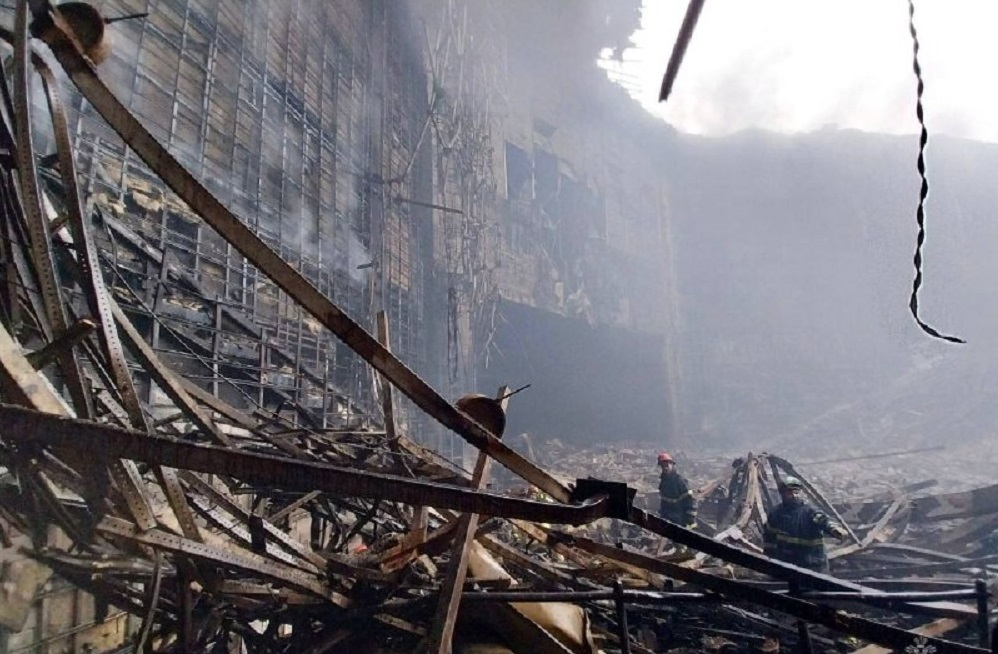
In contemporary political science, the threat posed by terrorism and extremist groups is a critical issue, with various social sciences examining and researching its factors, characteristics, and consequences. This troubling phenomenon deeply concerns global society. To counter terrorism effectively, it is essential to identify all contributing factors and develop efficient strategies and methods for combating it. Terrorism is not a novel occurrence in human history; since ancient times, various political and social forces have employed violence and intimidation to exert power and influence. Different groups have utilized terror as a tactic to confront their adversaries. To achieve their political objectives, extremist organizations frequently manipulate religious beliefs, attempting to persuade individuals that government policies are antagonistic to their faith. Through this exploitation, they seek to further their own nefarious aims, often misusing the religion of Islam. An extremist is an individual who advocates for extreme measures in their actions, which can manifest across all domains of human activity, including religion, politics, ideology, science, and even sports.
Currently, within the Islamic world, numerous extremist factions and movements operate based on religious ideologies. These ideologies have been imported into Central Asian countries, including the newly independent Tajikistan, by global and regional powers seeking to advance their geopolitical interests. This could potentially destabilize the religious equilibrium, political landscape, ideological coherence, and societal safety in these regions.
The article concludes that it is imperative to enhance our religious and national culture. Efforts should be made to educate society, particularly the youth, about the dangers of blind allegiance to extremist groups. It is well recognized that Tajikistan, its state, and its honorable citizens are committed Muslims who uphold the sanctity and principles of Islamic law.
Under the initiative of the President of Tajikistan, numerous religious texts have been translated into Tajik and rendered in Cyrillic script, making them accessible to the Muslim population of the country. Notably, a substantial number of translations of the Holy Qur'an have been produced and distributed free of charge to the Muslim community in Tajikistan. Additionally, the President of the Republic of Tajikistan addressed the United Nations forum, defending the purity of the Islamic faith and firmly rejecting any association of terrorism and extremism with this sacred religion.
Islamic Center of the Republic of Tajikistan