
The Role of Parental Responsibility in the Upbringing and Education of Children
At the initiative of the President of the Republic of Tajikistan His Excellency Emomali Rahmon, the Law of the Republic of Tajikistan titled "On the Responsibility of Parents for the Education and Upbringing of Children" was enacted and is currently being effectively implemented. This legislation delineates the obligations of parents, who bear full responsibility for the upbringing and education of their children. Adopted on August 2, 2011, the law aims to enhance parental accountability in the education and upbringing of children, fostering principles of humanism, patriotism, and respect for national, universal, and cultural values.
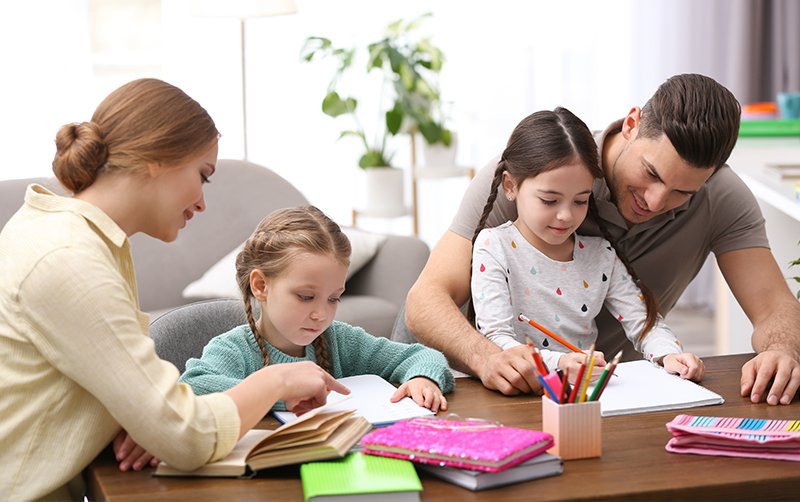
Parental responsibility in the upbringing and education of children constitutes a fundamental obligation for every parent. The family serves as the primary foundation for the development of a child's personality, moral values, life principles, and motivation for learning. Upbringing commences with the provision of a personal example; children, from an early age, tend to imitate the behavior of adults, internalizing their habits and modes of communication. It is inconceivable to instill values such as kindness and honesty in a child if the parents do not exemplify these principles themselves. Parents who demonstrate respect, honesty, diligence, and a passion for learning cultivate these same qualities in their children, thereby fostering their development into successful and morally resilient individuals. Furthermore, parents are tasked with establishing not only material and financial support but also the spiritual and psychological environments conducive to effective education and upbringing. The responsibilities of parents concerning the education and upbringing of their children are delineated in various legislative acts, including the Constitution of the Republic of Tajikistan and the Law of the Republic of Tajikistan on “Parental Responsibility for the Education and Upbringing of Children”, as well as in international legal instruments recognized by the State.
In his address to the Majlisi Oli, President of the Republic of Tajikistan His Excellency Emomali Rahmon emphasized the necessity of establishing comprehensive conditions to enhance both the quality and accessibility of education. He underscored the importance of increasing the responsibility of parents, the community, and educators in this endeavor. Under the direct support and guidance of President Rahmon, over three thousand modern, fully equipped educational institutions, providing more than one million student seats, have been established and operationalized since the attainment of state independence.
One of the critical aspects of the interaction between parents and their children or adolescents is the establishment of contact and trusting relationships. Children require warmth, love, and support from their parents. Proper upbringing and education can help mitigate potential difficulties in the future. Conversely, parents have the right to be informed about the educational process, including the content of the curriculum, attendance, and the level and quality of their child's performance. Thus, it is essential for parents to collaborate closely with teachers, who possess comprehensive information about the child and can offer valuable advice and recommendations.
Currently, the E-Donish application has been developed, enabling parents to monitor their child's attendance and performance effectively. In an era characterized by globalization and rapid changes, coupled with the pervasive influence of the Internet, it is imperative for parents to safeguard adolescents against external influences. They must enhance their legal knowledge and cultivate a sense of national identity, patriotism, and respect for the rich traditions and customs of the Tajik people.
The upbringing of children commences within the family, where parents bear the primary responsibility. They must establish conducive conditions for the intellectual, moral, and physical development of their child.
Imamberdiyeva M.A.
Assistant professor at the department of histology
translated by Ismoilov R.