


THE INFLUENCE OF SOCIAL MEDIA ON SELF-ESTEEM
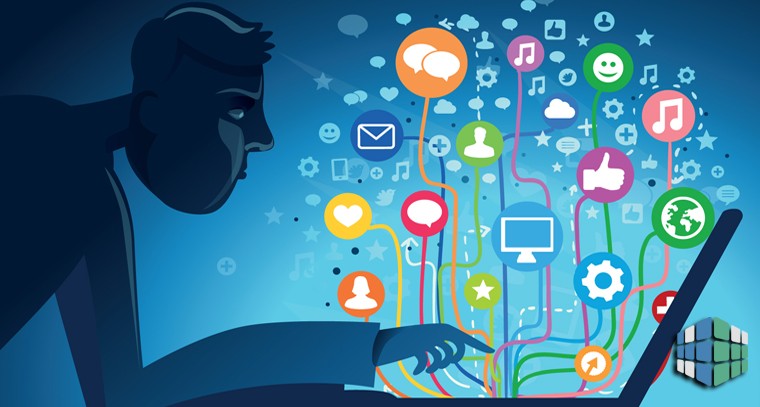
Social networks offer vast opportunities for communication, information sharing, and news consumption. They have become an integral part of modern society and daily life. However, beyond their positive aspects, social networks also influence an individual's self-esteem, a concern that is becoming increasingly relevant. Social media often promotes an idealized image that undermines authenticity and the realities of life. Many individuals strive to present themselves as attractive and successful on their social media profiles, often concealing their imperfections and carefully curating their appearance and experiences. As a result, people tend to share only the most favorable moments of their lives, embellishing and idealizing their reality. Users often curate their social media presence by sharing only their most visually appealing photos from vacations, travel, and various events. Consequently, others are exposed to a selective portrayal of life, leading them to compare their everyday reality with these idealized images. This phenomenon can contribute to feelings of inadequacy, dissatisfaction, and even depressive moods, as individuals may perceive happiness as unattainable and question their own abilities and achievements.
Such comparisons can also foster a sense of inferiority in terms of physical appearance, education, career success, and personal life. The continuous cycle of comparison negatively impacts emotional well-being, self-esteem, and self-confidence. Nevertheless, despite these adverse effects, social media can have a positive influence on self-esteem when used thoughtfully and in a constructive manner.
Another negative consequence is a reduced attention span, which arises as a side effect of the philosophy of information integration. When a single online resource incorporates multiple functions—such as communication, audio playback, video streaming, and discussion—the user is tempted to engage in all these activities simultaneously, attempting to multitask. This fragmentation negatively affects cognitive abilities, making it increasingly difficult to sustain prolonged focus, such as reading a lengthy article. As a result, the mind, conditioned by prolonged exposure to social networks, develops a tendency to shift rapidly from one topic to another.
In addition to its numerous advantages, social media has also given rise to new forms of criminal activity. One particularly sophisticated type of fraud has been prevalent on the internet for quite some time, primarily aimed at gaining unauthorized access to user accounts. The objective of such attacks is to steal personal and social information or manipulate accounts to disseminate information on behalf of the compromised user. This form of cyber attack, known as phishing, involves deceiving unsuspecting users with a fraudulent web page that mimics a legitimate login portal. Once users enter their credentials, they are redirected to the actual social media site, but their sensitive information has already been transmitted to the attacker.
Given the pervasive role of social media in modern life, it is impossible to dismiss its significance. However, it is equally challenging to categorize social media as purely beneficial or harmful. Its impact on society is multifaceted and often ambiguous, with its effects on individuals varying based on personal characteristics and digital literacy. Therefore, a mindful and responsible approach to social media use is essential to maximize its advantages while mitigating potential risks.
Imamberdiyeva M.A. – Assistant at the department of histology