

THE DEVELOPMENT OF BONE MARROW TRANSPLANTATION IS AN INVESTMENT IN CHILDREN’S HEALTH, SCIENCE, AND THE FUTURE OF THE NATION
Bone marrow transplantation (hematopoietic stem cell transplantation, HSCT) is one of the most advanced and promising fields of modern pediatrics, including pediatric hematology. For a number of severe disorders of the blood and immune system, as well as inherited metabolic diseases, this therapeutic approach remains the only effective method for achieving sustained remission and preserving a child’s life.
In the Republic of Tajikistan, pediatric bone marrow transplantation is currently at a stage of active development. The Avicenna Tajik State Medical University, Department of Сhildren׳s Diseases №2, in cooperation with the clinical base of the State Institution National Medical Center of the Republic of Tajikistan, “Shaharki Shifobakhsh” is taking its first, yet fundamentally important, steps toward establishing a national pediatric bone marrow transplantation program. This initiative is not only clinical in nature but also has a strong scientific and educational focus, aimed at strengthening the national healthcare system and reducing the need to refer pediatric patients for treatment abroad.
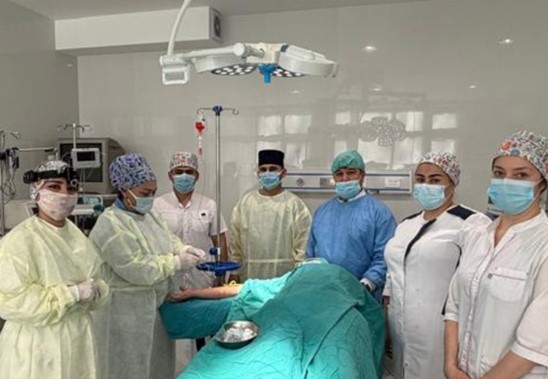
With the support of the Rector of Avicenna Tajik State Medical University, Doctor of Medical Sciences, Professor N. D. Mukhiddin, the Director of the Research Institute of Fundamental Medicine of Avicenna Tajik State Medical University, Doctor of Medical Sciences, Professor M. S. Tabariyon, Professor of the Department of Pediatric Diseases No. 2, Doctor of Medical Sciences K. I. Ismoilov, and the Head of the Department of Сhildren׳s Diseases No. 2, Candidate of Medical Sciences, Associate Professor S. N. Davlatova, successful autologous bone marrow transplantations were performed on January 24 in three patients diagnosed with chronic myeloblastic leukemia and aplastic anemia.
The autologous bone marrow transplantations were carried out at the State Institution National Medical Center of the Republic of Tajikistan “Shaharki Shifobakhsh” Organizational and procedural coordination was provided by the Director of the National Medical Center “Shaharki Shifobakhsh” Doctor of Medical Sciences, Professor H.J. Rahmonzoda, First Deputy Director T.A. Pirov, and Deputy Chief Physician for Pediatrics H.A. Giyosov., Head of the Department of Сhildren׳s surgery, Candidate of Medical Sciences, Associate Professor Sh.J. Rahmonov.
The transplantation procedures and clinical management were performed by the staff of the Department of Pediatric Diseases №2: Candidate of Medical Sciences, Associate Professor F.A. Muhammadanbieva, Candidate of Medical Sciences, Associate Professor S.A. Rasulova, Candidate of Medical Sciences, Associate Professor N.N. Khodjaeva, Assistant U.Sh. Abdurakhmanova, as well as physicians of the Pediatric Hematology Department: M. N. Rizoieva, H. Sh. Saidov, Ch. A. Izramov., and an empioee of the stem cell laboratory Candidate of Medical Sciences, Associate Professor B.D. Karim-zade.
The transplantation process also involved the Chief External Consultant in Hematology of the Republic of Tajikistan B.R. Rahimov and the Head of the Pediatric Hematology Department A. M. Barotov.
The development of bone marrow transplantation opens new opportunities for the training of residents and physicians, contributes to the formation of advanced clinical thinking, promotes the implementation of evidence-based medicine, and fosters the expansion of international scientific and clinical collaboration. The University is increasingly establishing itself as an educational and clinical platform for the training of a new generation of specialists proficient in modern technologies for the treatment of severe pediatric hematologic diseases.
The initial steps in developing this field lay the foundation for a sustainable, safe, and effective system of highly specialized medical care for the pediatric population of the Republic of Tajikistan. The consistent implementation of transplantation technologies will enhance the quality of medical services, strengthen the scientific potential of the University, and bring the national healthcare system closer to international standards.