


SMART USE OF DEVICES AND THE INTERNET IN MODERN TIMES
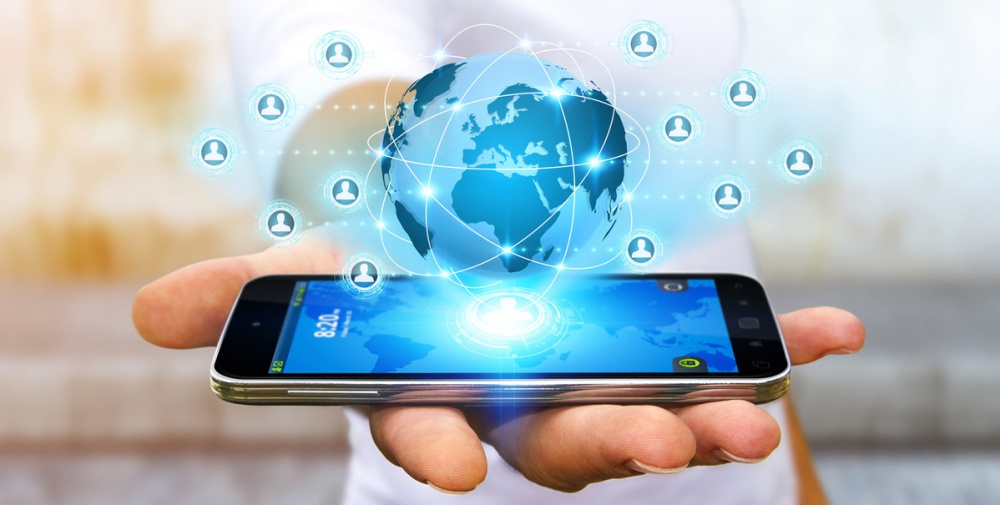
In the 21st century, digital technology has become an inseparable part of human life. From smartphones and laptops to smartwatches and voice-controlled assistants, devices have evolved from luxury tools to everyday necessities. The internet, once a limited network of academic communication, now connects over five billion people worldwide. While this digital age has unlocked new possibilities in education, communication, and productivity, it has also introduced challenges such as addiction, misinformation, and digital fatigue. In this context, understanding the smart use of devices and the internet is not just a recommendation — it is a responsibility.
The Meaning of Smart Use. Smart use of devices and the internet refers to the intentional, balanced, and secure interaction with digital tools to enhance rather than hinder one’s life. It involves maintaining a balance between online and offline activities, protecting digital privacy, managing screen time wisely, and using digital resources to grow intellectually and socially. Smart use does not imply constant use, but rather, purposeful and conscious use. For example, using a smartphone to attend an online course or connect with a mentor is considered smart usage. On the other hand, scrolling through social media for hours without clear purpose can become a passive and potentially harmful behavior. Awareness of this distinction is the first step toward healthy digital habits.
Educational and Professional Empowerment. One of the greatest advantages of smart device and internet use is access to global knowledge. Online learning platforms, virtual libraries, and digital tools allow individuals to acquire new skills from anywhere. Students in remote areas can attend university courses, professionals can join webinars, and job seekers can apply for positions abroad — all thanks to the internet. Moreover, remote work has become a norm in many industries, made possible by cloud services, virtual meetings, and collaborative software. However, to benefit fully from these opportunities, users must be digitally literate — able to evaluate sources, navigate platforms securely, and manage digital overload.
The Risks of Overuse and Misuse. While technology offers countless benefits, its misuse can lead to serious consequences. Internet addiction, especially among young people, has been linked to anxiety, sleep disorders, and reduced attention span. Excessive use of devices can also harm relationships and decrease real-life social interactions. Another major issue is the spread of misinformation. With the rise of social media, anyone can publish content, which often leads to the circulation of fake news, conspiracy theories, and harmful content. Without critical thinking and digital discernment, users can easily fall victim to such traps. Additionally, cybersecurity threats such as data breaches, scams, and identity theft are increasing. Many people unknowingly compromise their privacy by clicking suspicious links, sharing too much online, or using weak passwords. Smart use involves being cautious, using antivirus software, and understanding the basics of online safety.
Digital Mindfulness and Balance. Digital mindfulness is the practice of being present and aware during digital interactions. It includes setting boundaries, such as limiting screen time, turning off unnecessary notifications, and creating device-free zones — especially during meals or bedtime. Families can promote healthier habits by encouraging outdoor play, in-person conversations, and scheduled digital breaks. Workplaces can support digital wellness by allowing flexible hours, promoting online-offline balance, and discouraging after-hours emails. Even small acts, like switching off devices an hour before sleep, using apps that track screen time, or choosing educational content over entertainment, can significantly improve one’s relationship with technology.
The Role of Digital Citizenship. Being a responsible digital citizen means respecting others online, reporting inappropriate content, and contributing positively to the digital world. It also involves teaching younger generations how to interact respectfully on the internet. Schools and communities should offer programs on digital ethics, online rights, and responsibilities. Individuals can also take the initiative to educate themselves and others about safe and respectful online behavior.
The devices and internet tools we hold in our hands are powerful, but they are only as effective as the way we use them. In modern times, smart use is about intentionality, balance, and responsibility. As we navigate this digital era, our challenge is not to disconnect completely, but to connect wisely. Technology should serve our growth, not dominate our lives. By practicing digital mindfulness, embracing digital citizenship, and staying informed, we can make the internet a tool of empowerment rather than distraction.
Ismoilov R. - Teaching assistant at the department of Medical and Biological Physics with the basis of Information Technology