

NEW YEAR IN TAJIKISTAN: A BLEND OF EASTERN TRADITIONS AND MODERNITY
New Year Celebrations in Tajikistan: A Fusion of Traditions and Modernity
The New Year in Tajikistan represents a remarkable blend of national traditions, oriental culture, and contemporary influences. Although this celebration is not rooted in ancient Tajik customs, it has become a beloved holiday among the nation's residents, fostering unity across diverse age groups and cultural backgrounds.
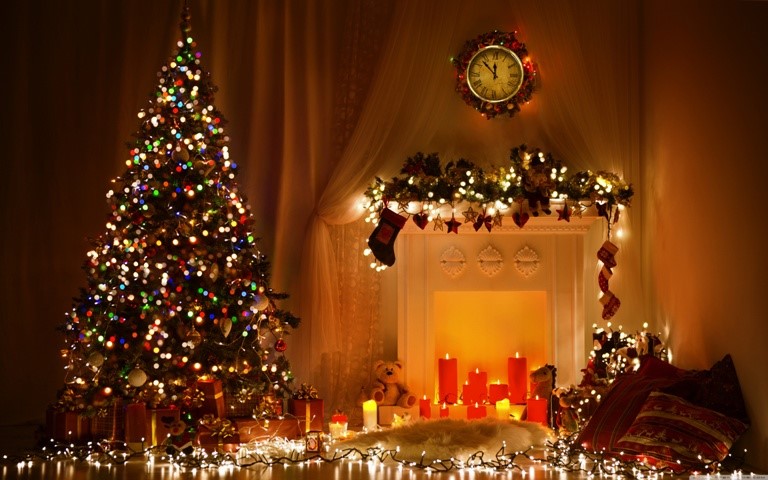
Preparations for the New Year commence well in advance of the festivities. Urban streets are adorned with vibrant garlands, illuminated installations, and festive trees, creating an atmosphere of anticipation and joy. Shops present an extensive selection of holiday gifts, while markets provide everything necessary for a sumptuous celebratory feast. Particular emphasis is placed on home decorations, where adorned Christmas trees, shimmering tinsel, and glowing lanterns contribute to an ambiance of warmth and enchantment.
The New Year feast holds a central place in Tajik family celebrations. The table often features a combination of contemporary dishes and traditional Tajik delicacies. Among these are pilaf, sambusa, kurtobi, and an array of sweets, including baklava and halva. These offerings reflect both a deep respect for Eastern cultural heritage and the richness of Tajikistan's culinary traditions.
The Celebration of New Year in Tajikistan: A Symbol of Unity and Cultural Harmony
An integral aspect of the New Year celebration in Tajikistan is the time spent with family. This holiday is primarily a family-oriented event, symbolizing unity and warmth. In many households, children eagerly anticipate the arrival of "Boboi Barfi" (the Tajik equivalent of Santa Claus), who brings gifts and fulfills their cherished wishes.
As midnight approaches, citizens across the country engage in various traditions. They watch televised holiday concerts, listen to the President’s congratulatory address, and admire fireworks illuminating the night sky. In urban centers such as Dushanbe and Khujand, large-scale festivities featuring music, dancing, and theatrical performances draw hundreds of participants, fostering a lively and festive atmosphere.
Interestingly, the New Year in Tajikistan coexists harmoniously with Navruz, the traditional Persian New Year celebrated in March, which boasts ancient cultural roots. Despite the differences between these two holidays, both serve to unite the population, emphasizing the significance of family values, peace, and goodwill.
Thus, the New Year in Tajikistan exemplifies the harmonious coexistence of modernity and Eastern cultural traditions. This celebration is not only a time for enjoyment but also an opportunity to preserve and integrate the nation's rich cultural heritage into contemporary practices.
Ziyodalieva T.Z.
Assistant at the department of public health and medical statistics, with a course on the history of medicine