
KEEPING HANDS CLEAN CAN SAVE A LIFE
Cleanliness is a sensible balance of lots of good bacteria and few bad.
Julia Enders
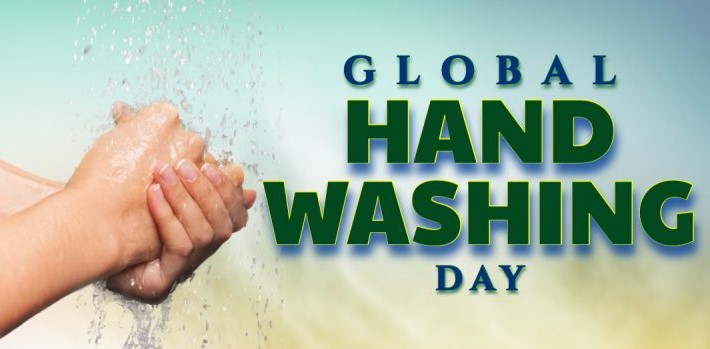
Every year on October 15, the world celebrates World Clean Hands Day to remind people about the importance of handwashing and how to do it properly. World Handwashing Day was launched in 2008 at the initiative of the UN Children's Fund. Initially, it was timed to coincide with the Year of Sanitation proclaimed by the UN General Assembly.
The aim of World Handwashing Day is to raise awareness among children and adults about the positive impact of handwashing with soap on human health. Handwashing is an effective and affordable way to protect yourself from many infectious diseases. Timely hand washing can reduce acute intestinal diseases by 30-48% and reduce acute respiratory infections by 20%. The question of whether to wash one's own hands is a personal matter, and everyone can decide it by virtue of their cleanliness and upbringing. On the other hand, as experts of the UN and the World Health Organization note, the problem of unwashed hands has catastrophic consequences if we consider it on a global scale.
According to UNICEF, five thousand children die every day from diarrhea alone, which is also called “the disease of dirty hands”. Half of these deaths could have been avoided if they had thoroughly washed their hands with soap and water before eating and after using the toilet. The transmission of pathogens is both direct, such as through a simple handshake, and indirect, through contaminated surfaces, soft toys and household items.
One of the leading contributors to high child mortality rates in Asia and Africa is poor hand hygiene. World Clean Hands Day seeks to raise awareness about the significance of this simple yet crucial hygiene practice as an essential measure for preventing numerous diseases. The relevance of this topic has heightened, particularly during the coronavirus pandemic.
Adequate protection from many illnesses can be achieved by thoroughly washing hands with soap and water. However, the challenge lies in the fact that most individuals do not wash their hands properly, often neglecting the importance of this basic preventive action.
The primary responsibility of every parent is to serve as a role model for their child and to instruct them in the fundamental principles of hand hygiene. Children must understand that contaminants, often invisible to the naked eye, exist on almost all objects in their surroundings—such as pencils, pens, books, toys, door handles, and phones. When hands are not washed, these contaminants can enter the body through the mouth, transmitting various diseases from an infected individual to a healthy one. Simply washing hands with soap and water can remove up to 90% of microorganisms from the skin’s surface and is an effective, low-cost method to prevent diarrheal diseases, parasitic infections, and acute respiratory illnesses. It is crucial that handwashing becomes a lifelong habit, established from an early age. Neglecting hand hygiene can unknowingly endanger not only one’s own health but also the well-being of others. This simple practice plays a significant role in combating what are commonly referred to as "diseases of dirty hands."
Be an example for others, take care of your health and the health of your loved ones, wash your hands regularly with soap and water. Remember that clean hands are one of the foundations of a healthy lifestyle.
Department of propaedeutics of children's diseases
translated by Ismoilov R.