
FLAG: A SYMBOL OF NATIONAL PRIDE AND IMDEPENDENCE STATEHOOD
The state flag serves not only as an official emblem of the nation but also as a profound symbol of national identity and a source of pride for every citizen. For individuals, the flag holds a unique significance, embodying the following meanings:
National Pride
The flag represents the essence of the nation and the state. By honoring the flag, individuals pay homage to their history, acknowledge the heroism of their ancestors, and celebrate the achievements and progress of the state.
Symbol of Unity
The flag serves as a unifying emblem, bringing together people of diverse ethnicities and backgrounds under a shared vision and common purpose. It symbolizes solidarity, collaboration, and mutual commitment among the citizens of the nation.
Spiritual and Cultural Identity
As an integral part of the nation's cultural heritage, the flag inspires a sense of patriotism and instills responsibility in every individual. It reinforces national identity and fosters a collective consciousness that binds the people to their cultural and historical roots.
Pride in Independence – The national flag is a powerful emblem of the sovereignty and independence of the state. For every free citizen, it represents the nation's progress and freedom.
Thus, the State Flag serves not only as a symbol of the state but also as a profound representation of national, cultural, and human values for every individual. It is the responsibility of each person to honor the flag and instill its significance in future generations.
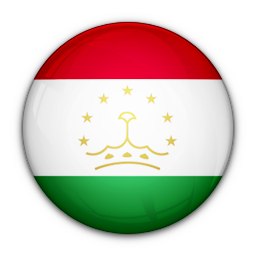
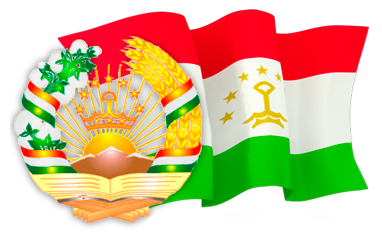
The flag of independent Tajikistan, adopted on November 24, 1992, features three colors: red, white, and green. At the center of the white band lies a golden crown encircled by seven radiant stars.
In Tajikistan, November 24 is commemorated as State Flag Day, reflecting the profound respect of the Tajik people for this sacred national symbol.
Safarzoda Ramazon Sharofiddin - Head of the department of pharmaceutical technology named after Professor Khalifaev D.R.
Translated by Ismoilov R.