


“CLEAN WATER: THE FOUNDATION OF HUMAN HEALTH AND ENVIRONMENTAL WELL-BEING”
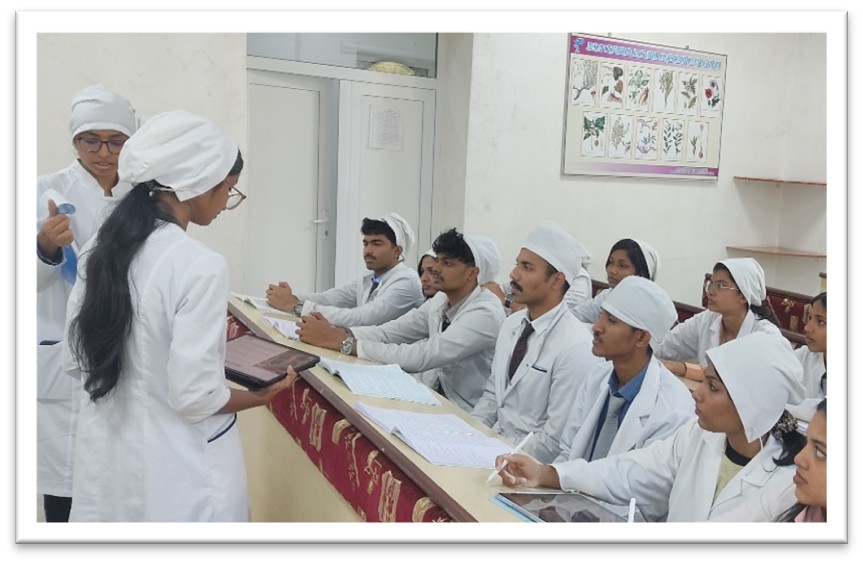
On October 30, 2026, an open lesson on the topic “Clean water: the foundation of human health and environmental well-being” was held at the department of Pharmacology of SEI “ATSMU”.
The lesson was attended by the head of the department - M. V. Urunova, department assistants, including P. V. Kasymova, other faculty members, and third-year bachelor's students of group 6. The session was conducted by P.V. Kasymova.
The presentation on the topic “Clean water: the foundation of human health and environmental well-being” was prepared and delivered by students of group 6, Nandana Harikumar and Krishnapriya Ramesh.
Water is one of the most essential natural resources on Earth. It is indispensable for human survival, public health, agriculture, industry and the preservation of natural ecosystems. Although water covers most of the Earth's surface, only a limited proportion is available as accessible freshwater suitable for human consumption.
Clean water is not simply a basic necessity; it is a fundamental condition for a healthy and sustainable society. Ensuring access to safe drinking water remains one of the most important public health and environmental challenges worldwide.
The Importance of Clean Water for Human Health
Water plays a vital role in maintaining the normal functioning of the human body. It participates in metabolic processes, regulates body temperature, supports digestion, facilitates nutrient transport and contributes to the elimination of metabolic waste products.
Access to microbiologically safe drinking water significantly reduces the risk of infectious diseases. Contaminated water can transmit various pathogens responsible for cholera, typhoid fever, dysentery, hepatitis A and other gastrointestinal infections.
According to the World Health Organization (WHO), in 2022 approximately 1.7 billion people worldwide used drinking-water sources contaminated with faecal matter. This demonstrates the continuing importance of improving water quality and sanitation systems [WHO Fact Sheet, 13 September 2023].
Major Sources of Water Pollution
Water pollution is a serious environmental problem that affects both surface water and groundwater. The main sources of contamination include:
- Industrial wastewater containing toxic chemicals and heavy metals.
- Agricultural runoff carrying pesticides and fertilizers.
- Domestic sewage and inadequately treated wastewater.
- Plastic waste and other solid pollutants.
- Oil spills and chemical discharges.
These contaminants can negatively affect aquatic ecosystems, reduce biodiversity and create significant risks to human health.
Methods of Water Purification
Water purification is an essential process for ensuring the safety and quality of drinking water. Different treatment technologies are selected depending on the source of water and the type of contamination. The most commonly used methods include:
1. Filtration. This process removes suspended particles, sediment and certain microorganisms through specialized filter materials.
2. Sedimentation. Heavier particles settle at the bottom of a treatment tank under the influence of gravity.
3. Disinfection. Chlorination, ultraviolet radiation and other approved methods are used to inactivate harmful microorganisms.
4. Reverse osmosis. This membrane-based technology removes many dissolved salts, minerals and other contaminants. An effective water treatment system may combine several of these methods to achieve the required water quality [WHO, 2026].
Clean Water and Environmental Protection
Freshwater resources are closely connected with environmental stability and biodiversity. Rivers, lakes, springs and groundwater systems provide habitats for numerous plant and animal species.
Protecting these resources requires responsible water consumption, proper wastewater treatment, reduction of plastic pollution and prevention of uncontrolled industrial and agricultural discharges.
Tajikistan possesses valuable mountain water resources, including rivers, lakes and glaciers. Their protection is particularly important for ecological sustainability, agriculture and the well-being of future generations.
Our Responsibility for Protecting Water Resources
Preserving clean water requires collective action from governments, educational institutions, healthcare professionals, industries and individuals.
Everyone can contribute by reducing unnecessary water consumption, repairing leaking pipes, avoiding the disposal of chemicals into drains, reducing plastic waste and participating in environmental protection activities. Educational institutions also play an important role in developing environmental awareness among young people and encouraging responsible attitudes towards natural resources.
Conclusion
Clean water is essential for human health, environmental sustainability and socioeconomic development. Access to safe drinking water helps prevent infectious diseases, supports normal physiological functions and improves quality of life. Protecting water resources should therefore be considered a shared responsibility of society. Through environmental education, modern purification technologies and responsible water management, we can help ensure that future generations have access to safe and sufficient water.
Clean water means healthy people, a protected environment and a sustainable future.
Department of pharmacology